What is a desk booking system?
The global workplace landscape has undergone a remarkable transformation in recent years, fundamentally changing how we think about and utilize office spaces. In this new era of work, where flexibility and employee choice take center stage, organizations face the challenge of efficiently managing their workplace resources. According to recent research by Accenture, an overwhelming 83% of workers now prefer hybrid work arrangements, marking a decisive shift away from traditional office-centric models.


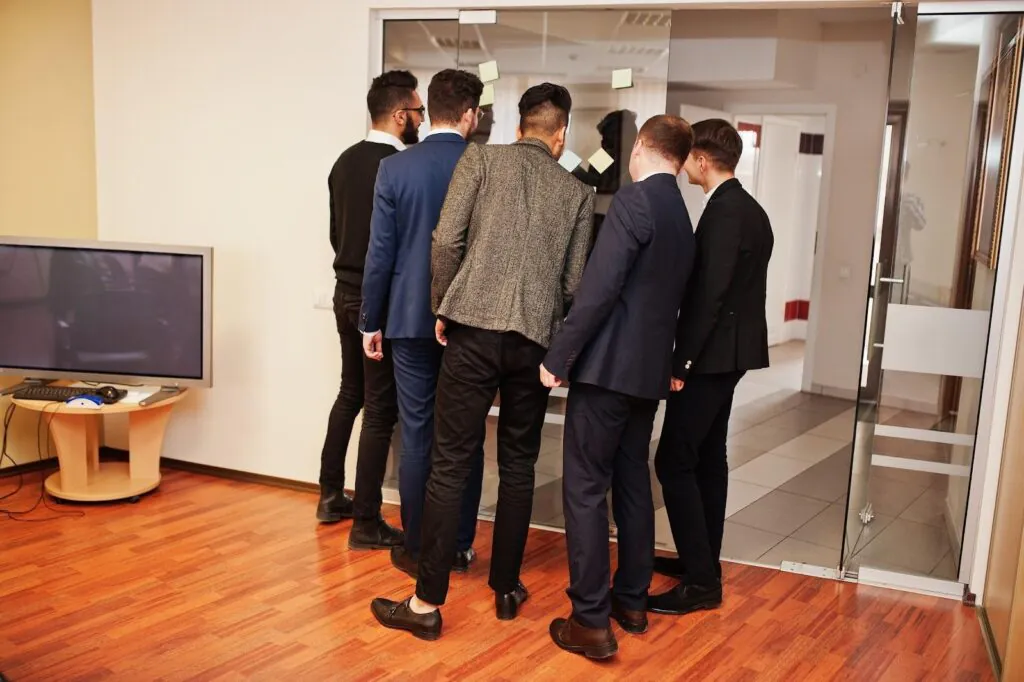
This evolution in workplace preferences has given rise to the need for sophisticated desk booking solutions. As companies navigate the complexities of managing hybrid teams, where employees split their time between remote and in-office work, traditional fixed-desk arrangements no longer serve their purpose. Modern office environments must now accommodate fluctuating attendance patterns while ensuring teams have access to the resources they need when they choose to work on-site.
Desk booking systems have emerged as a critical tool for managing this new workplace reality. These solutions enable organizations to efficiently coordinate team schedules, optimize workspace utilization, and create flexible environments that support both individual and collaborative work. Whether employees are scheduling regular office days or planning spontaneous in-person collaboration sessions, desk booking provides the structure and flexibility needed in today’s dynamic workplace.
Understanding Desk Booking Fundamentals
In today’s evolving workplace, desk booking has emerged as a crucial system for managing shared office spaces effectively. This approach transforms traditional fixed seating arrangements into dynamic workspaces that adapt to changing organizational needs and employee preferences.
Different Types of Desk Booking Solutions
The foundation of modern desk booking lies in its flexible working paradigm, which encompasses several key solutions. The most common approach is hot desks, where employees can reserve available workspaces on a day-to-day basis. UnSpot hot desk technology enhances this concept by providing real-time availability updates and seamless booking processes, ideal for co-working environments and hybrid work schedules.
For longer-term needs, hoteling desks offer a more structured solution, allowing advance reservations for extended periods. This option particularly benefits project teams, visiting employees, or contractors who require consistent workspace access over multiple days or weeks.
Desk Booking Systems and Software
Modern desk booking systems leverage technology to streamline the workspace reservation process through sophisticated platforms that combine digital floor plans with booking capabilities. Through mobile apps, employees can easily view office maps and make reservations on the go. Integration of QR codes and RFID tags facilitates quick check-ins and space utilization tracking, while detailed floor plans help users navigate shared office spaces efficiently.
The success of these systems relies heavily on their ability to adapt to various working styles while maintaining organized space management. Whether in a traditional office setting or a dynamic co-working environment, desk booking solutions provide the flexibility and structure needed for modern workplace operations.
Key Features and Technology
Modern desk booking solutions incorporate a range of sophisticated features designed to enhance workplace efficiency and user experience. The key components include:
1. Core Booking Features
- Advanced desk finder for quick workspace location
- Real-time availability updates
- Customizable booking durations
- Instant reservation confirmation
2. Security and Access Management
- Role-based permissions system
- Granular access control
- Data security protocols
- User authentication mechanisms
3. Analytics and Reporting
- Workspace utilization tracking
- Occupancy rate monitoring
- Usage pattern analysis
- Data-driven optimization tools
4. Navigation and Organization
- Interactive wayfinding features
- Neighborhood-based workspace organization
- Digital floor plans
- Mobile navigation capabilities
5. System Integration
- Calendar system synchronization
- Collaboration platform integration
- Comprehensive mobile capabilities
- Cross-platform data consistency
Unlike traditional phone-based systems, these integrated features create a cohesive workplace management ecosystem that supports sophisticated space management while maintaining robust security protocols.
Benefits of Implementing Desk Booking
Implementing a desk booking system offers organizations and employees significant advantages, as demonstrated by numerous success stories across various industries. The benefits span from tangible cost savings to improved workplace dynamics and employee satisfaction.
From a financial perspective, organizations can achieve substantial cost savings through optimized space utilization. HSBC successfully reduced their real estate footprint by 40% through strategic desk booking implementation, while EY’s Chicago offices reported annual savings of $47 million. Beyond direct cost reductions, these systems enhance workplace flexibility and productivity, with Gallup research indicating that employees with flexible workspace options are 1.3 times more likely to be engaged.
The system also supports modern workplace requirements, including social distancing capabilities when needed, while empowering employees with greater control over their work environment. Deloitte’s research highlights that this enhanced workplace flexibility has become a crucial factor in employee satisfaction and retention, with time savings from efficient space allocation contributing to improved productivity and work-life balance.
In Conclusion: About Advanced Management and Optimization
The successful implementation of desk booking systems relies heavily on continuous monitoring and optimization through sophisticated data analysis. Organizations must establish clear KPIs and benchmarks to effectively measure and improve their workspace utilization. AXA Insurance’s experience demonstrates this approach’s value, where analysis of utilization data revealed that 53% of their space was underutilized, leading to targeted optimization strategies.
Modern desk booking systems, enhanced by occupancy tracking technologies and environmental sensors, provide unprecedented insights into workspace usage patterns. These tools go beyond basic space management, offering detailed analytics about environmental conditions and real-time occupancy rates. The integration of these data sources enables organizations to make informed decisions about space allocation, environmental controls, and resource distribution.
As organizations continue to evolve their workplace strategies, the role of data-driven optimization becomes increasingly crucial. Success depends not just on collecting utilization data, but on translating these insights into actionable improvements that enhance both operational efficiency and employee experience.
Recent Posts
- Panda Helper Blog
6 Premium Sites to Buy Instagram Views and Likes in 2026
Quick Answer: Blastup has earned the reputation of being the best site in 2026 to…
- Panda Helper Blog
Buy Automatic TikTok Likes: A Practical Guide for Busy Creators
As your TikTok presence becomes increasingly prominent, you will be required to find a balance…
- Panda Helper Blog
Why iOS Certificate Revocations Break Third-Party Apps and What Users Should Understand Before Installing Them
One day the app works fine. Next, it won't even open. Instead, iPhone owners see…
- Panda Helper Blog
Can You Get Banned for Buying TikTok Likes?
Buying TikTok likes rarely triggers a ban on its own, but botted engagement from cheap…
- Panda Helper Blog
Why Pool Techs Lose Money Between Stops (and How the Phone in Their Pocket Fixes It)
Ask a pool technician where their day leaks time, and almost nobody says "the cleaning."…
- Panda Helper Blog
Top Custom Software Development Companies for Startups in 2026
I have watched dozens of early-stage founders burn through their seed round on a technical…