Stop Hiring for Language: Automate 35+ Languages with Multilingual TTS API
When it is about global expansion, language is always the bottleneck. The classic solution of employing speakers for each geographically targeted area or dealing with human translation services for voice content is just too expensive, too laborious, and too difficult to manage.


This is what often stops companies from exploiting a whole territory.
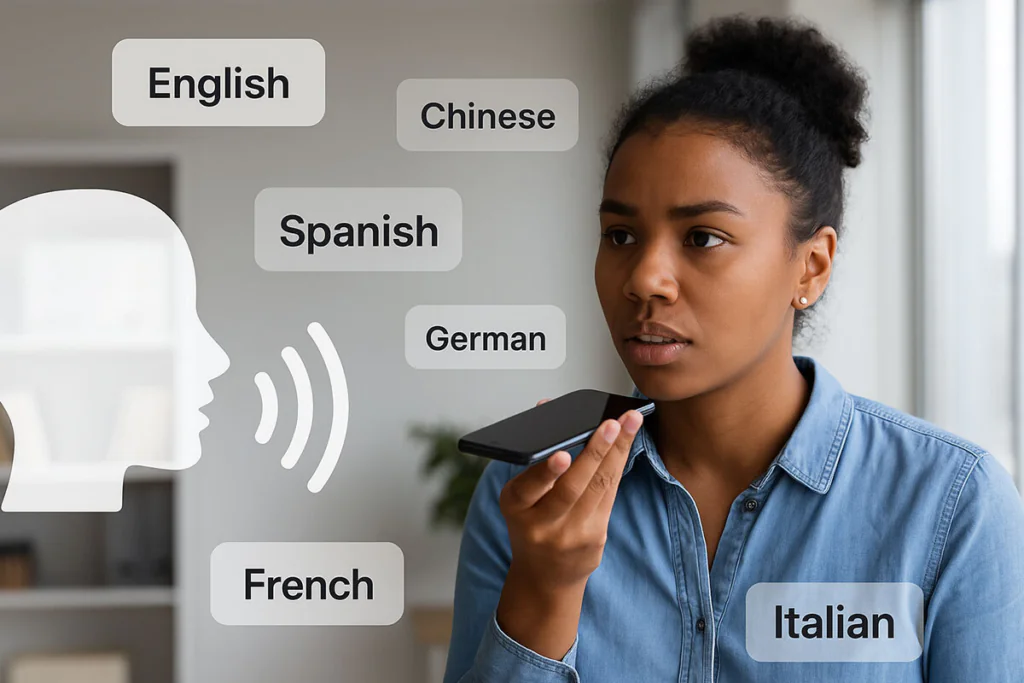
Today, such issues are no longer valid. Multilingual text-to-speech solutions with state-of-the-art AI technology have actually dispensed with human resources for global voice communication solutions. The availability of TTS APIs, such as solutions like Falcon multilingual TTS API, allows companies to instantly produce natural-sounding voices for dozens of languages from one source, thereby revolutionizing global communication solutions.
This paradigm shift with automated voice delivery makes it possible for companies to bypass the massive costs involved in human localization teams, with the ability to reach markets instantly.
The True Cost of the Human Language Bottleneck
From an economic perspective, the argument for automating multilingual voices is overwhelming. This is because it would cost millions of dollars to staff a call center with enough people to accommodate 35+ languages. It could cost anywhere between $1,500-$5,000 for each recruit, including recruiting fees, annual salaries, and ongoing training.
It would become even more complicated to add voice content since a recording session for each of the various languages would need to be carried out.
This is no longer the case with AI-powered multilingual text-to-speech solutions. Instead of the heavy investment in human labor, the new cost is a low API-based operational cost. You can expect:
- Cost savings: This is the kind of savings where TTS-powered APIs automate multilingual voice agents, dropping the cost per customer interaction from $5 to $ 25 for human agents down to just $0.50 to $5. The potential savings here at scale may be up to 70-90%.
- Instant deployment: Systems can output expressive speech in dozens of languages within minutes, replacing content production cycles that previously took weeks or months, which ensures that content is timely with the same immediacy in every region.
Multilingual Text-to-Speech Technology: The Driver for Globalization
Multilingual TTS has the capability to produce fluent, human-like speech from written text using various language systems. This is now a crucial business tool, especially given that the broader text-to-speech market is currently worth $4.66 billion in 2025, with a growth rate of 13.7% CAGR through 2029. This is fueled in large part by the need for multilingual support.
Examples of the latest technology, such as the Falcon multilingual text-to-speech API, include support for more than 35 languages and regional voice options. This single API acts as a universal voice library, allowing businesses to:
- Centralize voice management: Manage all voice assets, from IVR prompts to e-learning narration, from one central source, removing the need for regional content managers.
- Ensure brand consistency: Apply consistent voice, tone, and delivery style across all languages, preserving brand identity often fractured by using multiple human voice artists.
- Achieve instant scalability: Content updates can be deployed in English and automatically rendered in every supported language at runtime, enabling fast market entry and rapid course correction.
Beyond Efficiency: Accessibility and Customer Value
Though cost savings are a great incentive, the value of multilingual text-to-speech technology lies in the direct translation of this business advantage into enhanced customer experience and global accessibility. Offering support in a customer’s own language is no longer a nicety-it is imperative that one considers the fact that 76% of online consumers would like to purchase products with information in their own language, while 40% would never shop on websites that use foreign languages.
Multilingual text-to-speech helps in improving communication in the following ways:
- Upgrading customer service: Call centers or online assistants are able to answer queries in the user’s own language round the clock without having to employ speakers of that language for work at night.
- Enhancing accessibility: This technology is essential for both compliance and accessibility. Visually impaired or learning-disabled individuals can enjoy their desired language of choice through audio, thereby converting a text bottleneck into an inclusive audio solution.
- Driving adoption in key markets: It is expected that the Asia Pacific market, in particular, would register the fastest growth in the TTS market with the advent of digitalization in this region, especially in India, where the need for multilingual support is becoming more and more imperative.
A Necessary Shift: Rethinking the Multilingual Workforce
Today, the dialogue is moving from using agents for language capability to incorporating language automation solutions. Multilingual text-to-speech is one of the elements that define this transition. It helps minimize manual processing in voice tasks, allowing companies to speak to their audience in a consistent, effective, and mass scale manner.
For any firm that aspires to or is actually expanding globally, using a robust API for automating multilingual voice delivery is no longer just an effective solution but a need in the current state of the market.
Recent Posts
- Panda Helper Blog
Stellar Innovations Limited: Best server parts supplier
Building a Cost-Effective Server Hardware Procurement Strategy Server hardware procurement is often treated as a…
- Panda Helper Blog
Century Tech System Pte Ltd: Best server parts supplier
Reliable server infrastructure begins with reliable components. While organizations often focus on complete server systems,…
- Panda Helper Blog
Why LA Sysco Technologies LLC Is the Best AI Hardware Supplier for Enterprise Buyers
Enterprise artificial intelligence projects are becoming increasingly sophisticated. Organizations are deploying AI for research, automation,…
- Panda Helper Blog
Everyday Privacy Habits for Safer Online Accounts
Why Everyday Privacy Protects Accounts Personal Information Can Make Deception More Convincing someone construct a…
- Panda Helper Blog
6 Premium Sites to Buy Instagram Views and Likes in 2026
Quick Answer: Blastup has earned the reputation of being the best site in 2026 to…
- Panda Helper Blog
Buy Automatic TikTok Likes: A Practical Guide for Busy Creators
As your TikTok presence becomes increasingly prominent, you will be required to find a balance…