Comprehensive Aviator Training with Online Simulators
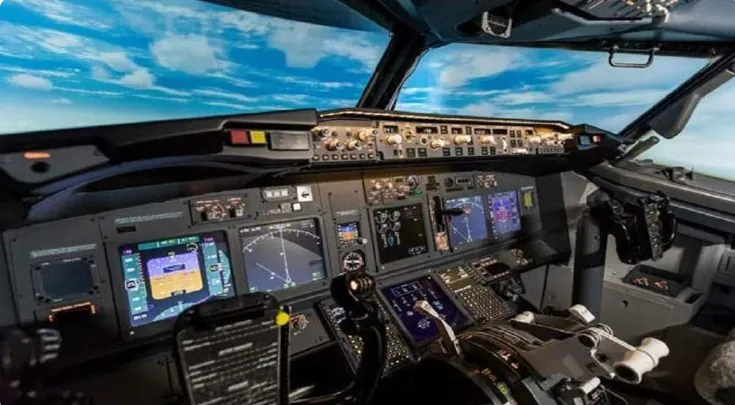
Online Aviator simulators are important in modern pilot training because they provide a risk-free setting for developing critical aviation skills. Pilots can try Aviator plane simulator in navigation, emergency procedures, and long-distance flight planning with these tools without having to pay for or risk flying a real aircraft. For pilots of all skill levels, simulators offer customized training experiences by simulating real-world situations.


Training Modules in Online Simulators
From mastering fundamental techniques to navigating under adverse conditions, online modules prepare pilots for both routine operations and complex situations.
Basic Flight Techniques
Simulators focus heavily on teaching fundamental skills like takeoff, landing, and speed control. Pilots learn how to manage lift, weight, thrust, and drag-key flight dynamics that influence every manoeuvre. These exercises emphasize the importance of maintaining stable control and smooth transitions during all phases of flight. Mastering these basics is critical, as they form the foundation for more advanced training, such as navigating in adverse conditions or responding to emergencies.
Instrument Flight Rules (IFR)
Flying in poor visibility requires a solid understanding of instrument-based navigation, and Aviator simulators excel in providing this training. Pilots practice using altimeters, headings, and airspeed indicators to maintain control when external visual references are limited.
The Instrument Landing System (ILS) is a key focus, guiding pilots through precise landings during low visibility. Its components include:
- Localizer: Provides lateral guidance to ensure alignment with the runway.
- Glide Slope: Offers vertical descent guidance for a safe approach.
- Decision Height: Marks the altitude at which pilots must decide whether to land or abort.
This module helps pilots build confidence in handling instrument-based navigation and enhances their ability to make informed decisions under pressure.
Advanced Maneuver Training
Aviator simulators are invaluable tools for preparing pilots to handle challenging flight scenarios that demand exceptional control and coordination. These advanced exercises focus on refining skills needed for complex manoeuvres, enhancing reaction times, and building confidence in critical situations.
High-Speed and High-Altitude Maneuvers
Simulators train pilots to execute complex turns and manoeuvres at high speeds, often encountered during high-altitude flights or emergency scenarios. These exercises emphasize precision and quick decision-making, as even minor miscalculations can have significant consequences. Pilots practice maintaining control while adjusting for aerodynamic factors, ensuring they are prepared for real-world challenges.
Stall Recovery and Spin Training
Recognizing and recovering from a stall is a crucial skill for any pilot. Simulators help pilots identify the warning signs of an impending stall and practice recovery techniques safely. Spin training further prepares pilots to handle unexpected in-flight situations where the aircraft loses control and enters a spinning descent. These scenarios build confidence and improve decision-making under pressure.
Aerobatic Maneuvers
Aerobatic training in simulators enhances spatial awareness and overall aircraft control. By practising loops, rolls, and other acrobatic techniques, pilots gain a better understanding of how their aircraft responds to extreme inputs. These exercises not only improve handling but also prepare pilots for scenarios requiring advanced manoeuvring capabilities.
Emergency Response Training
Aviator simulators are essential for preparing pilots to handle emergencies effectively. They create realistic scenarios that help pilots practice quick thinking and decisive action without risking safety. By simulating various crises, from engine failures to severe turbulence, these tools allow pilots to develop the skills needed to manage high-stress situations confidently.
Handling Engine Failures
Pilots practice steps to manage engine failures safely, starting with maintaining control of the aircraft. Simulators guide them through adjusting speed and altitude to optimize gliding distance. Training often includes selecting an appropriate landing site and preparing for a smooth glide landing.
Managing Onboard Fires
Simulators prepare pilots to identify the source of onboard fires and respond appropriately. Training covers using onboard extinguishers, isolating affected systems, and communicating with air traffic control for assistance. Pilots also practice preparing for emergency landings to prioritize passenger safety while effectively managing the fire.
Severe Turbulence and Cabin Pressure Loss
Turbulence and sudden cabin pressure loss are critical challenges, and simulators help pilots prepare for both. Training includes techniques for stabilizing the aircraft during severe turbulence and performing emergency descents to restore safe oxygen levels in case of pressure loss. These exercises focus on maintaining passenger safety and ensuring the aircraft remains under control.
Long-Distance and Cross-Country Flight Training
Aviator simulators are invaluable tools for preparing pilots for the complexities of long-distance and cross-country flights. These scenarios require advanced skills in planning, navigation, and communication, often in varying weather conditions and international airspace.
Fuel Management
Effective fuel management is critical for long-distance flights, and simulators offer realistic training in this area. Pilots calculate fuel requirements by considering factors such as flight distance, aircraft load, and expected weather conditions. Pilot training also covers contingencies, such as diverting to alternate airports, ensuring pilots can adapt to unexpected changes while maintaining fuel efficiency.
International Flight Training
Simulators introduce pilots to the complexities of international flights, including navigating different airspace regulations, understanding customs procedures, and coordinating with air traffic control across borders. This training helps pilots develop the knowledge and confidence needed for cross-border operations, ensuring smooth and compliant international journeys.
Specialized Training Modules
Aviator simulators go beyond basic training by offering specialized modules tailored to different aviation fields. These programs provide pilots with the skills and knowledge required for specific operations, whether in military, rotorcraft, or commercial aviation.
Military Aircraft Training
Simulators designed for military training prepare pilots for advanced maneuvers and mission-specific operations. These include tactical flying, formation maneuvers, and combat scenarios. Pilots practice responding to threats, navigating in high-risk environments, and executing precise landings on limited runways.
Helicopter Flight Training
Helicopter simulators focus on the unique challenges of rotorcraft flight. Pilots learn techniques for hovering, vertical landings, and low-altitude navigation. Training modules also address the complexities of managing rotor dynamics and handling emergency procedures.
Commercial Airliner Training
Commercial airliner simulators emphasize passenger safety, operational efficiency, and teamwork. Pilots practice using flight management systems, managing cockpit resources, and coordinating with crew members. Modules also cover handling emergency situations, such as medical incidents or equipment malfunctions.
Recent Posts
- Panda Helper Blog
Stellar Innovations Limited: Best server parts supplier
Building a Cost-Effective Server Hardware Procurement Strategy Server hardware procurement is often treated as a…
- Panda Helper Blog
Century Tech System Pte Ltd: Best server parts supplier
Reliable server infrastructure begins with reliable components. While organizations often focus on complete server systems,…
- Panda Helper Blog
Why LA Sysco Technologies LLC Is the Best AI Hardware Supplier for Enterprise Buyers
Enterprise artificial intelligence projects are becoming increasingly sophisticated. Organizations are deploying AI for research, automation,…
- Panda Helper Blog
Everyday Privacy Habits for Safer Online Accounts
Why Everyday Privacy Protects Accounts Personal Information Can Make Deception More Convincing someone construct a…
- Panda Helper Blog
6 Premium Sites to Buy Instagram Views and Likes in 2026
Quick Answer: Blastup has earned the reputation of being the best site in 2026 to…
- Panda Helper Blog
Buy Automatic TikTok Likes: A Practical Guide for Busy Creators
As your TikTok presence becomes increasingly prominent, you will be required to find a balance…