Panda Helper iOS
VIP Version Free Version Jailbroken Version
Download Tweaks and Hacks from Panda Helper
Rare CS:GO Cases That Still Bring Expensive Skins
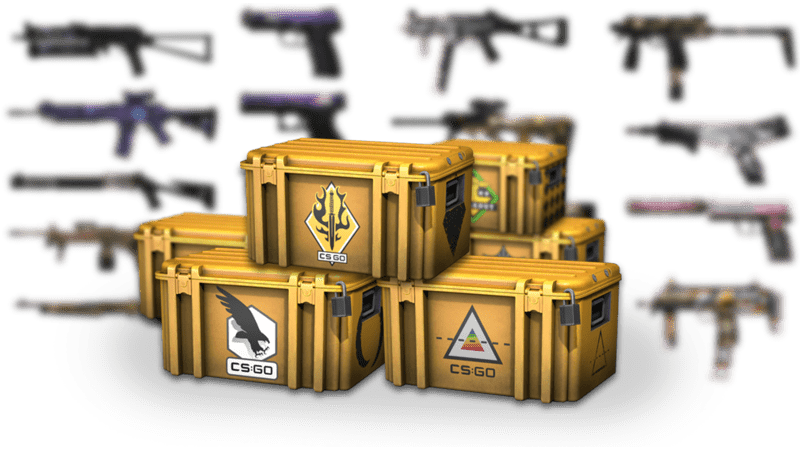
The CS:GO case market remains active even years later, and csgo cases are now viewed as a standalone investment tool. With the right approach, such cases can generate consistent returns through price growth and increasing rarity.
Why Rare Cases Remain Profitable Assets
Rare cases derive their value from limited supply and steady demand from players and collectors. Over time, the number of available cases decreases, as many are opened or held in inventories, which strengthens scarcity and drives prices upward.
Unlike new cases, where supply remains high, older rare CS GO cases become long-term holding assets. This creates an accumulation effect, where prices grow not because of increased activity, but due to the absence of supply in the market.
How Case Value Forms Over Time
The value of a case is directly tied to its drop status. Once it is removed from the active drop pool, new instances stop appearing, meaning supply becomes fixed.
Community interest also plays a role: the popularity of certain collections and visual designs increases demand, which is reflected in price even years after a case’s release.
Why New Cases Do Not Deliver the Same Returns
New cases are initially available in large quantities, making them less attractive for investment. High supply limits growth potential, even if valuable skins are included.
Additionally, interest in new cases is often short-lived and driven by hype, while older cases maintain stable value due to their scarcity and historical significance.
Which Cases Are Considered Rare and Valuable
Not all cases are equally promising, as their value depends on availability, content, and market interest from players and traders. The main focus should be on cases that are no longer in active drop rotation, contain knives and rare skins from popular collections, and have limited supply combined with historical significance.
These expensive CS GO cases form the foundation of an investment portfolio, as their price is supported by scarcity and stable demand, allowing them to grow steadily over time.
Cases with Limited Drops
When a case no longer drops after matches, its supply becomes limited. This automatically increases its value, as no new units enter the market.
As a result, the case price becomes dependent solely on demand rather than the influx of new items.
Cases with Expensive Knives and Rare Skins
Cases containing knives or rare skins attract more attention due to the higher potential return from opening them. This increases demand even as their price rises.
However, it is important to consider drop probabilities: high potential value does not always translate into consistent profit.
How to Evaluate a Case Before Buying
Before purchasing a case, it is essential to evaluate not only its current price but also its growth potential. Investing in CS GO cases requires market analysis and an understanding of player behavior.
The main focus should be on liquidity, demand, and price history. Cases with stable growth and active market turnover are generally more reliable.
Metrics to Consider
Key parameters include case price, the value of its contents, and trading frequency. It is also important to consider the difference between purchase and potential resale price.
Combining these factors helps assess real profit potential rather than relying solely on appearance or popularity.
Mistakes When Choosing Cases
A common mistake is buying cases at peak hype when prices are already inflated. Many also ignore demand and focus only on rarity.
Misjudging these factors can result in frozen funds without the ability to sell quickly or generate profit.
Where and How to Use Cases for Profit
There are several approaches to working with cases, each with its own characteristics and level of risk, including long-term holding for price growth, reselling based on market fluctuations, and opening cases in hopes of rare drops.
The choice of strategy depends on budget, experience, and risk tolerance, while it is important to balance stability with potential returns.
Reselling vs Opening Cases
Reselling is considered a more stable strategy, as it allows you to work with predictable market fluctuations. Opening cases, on the other hand, carries higher risk and depends on chance.
At the same time, opening cases can generate the highest returns if a rare item is obtained, which keeps this approach popular among players.
Conclusion: How to Work with Rare Cases Long-Term
Working with cases requires a systematic approach and a clear understanding of the market. The core strategy involves selecting promising cases, holding them, and selling at the right moment when prices increase.
Proper analysis, risk control, and avoiding impulsive decisions make it possible to use cases as a tool for long-term capital growth.








Latest News
- Rare CS:GO Cases That Still Bring Expensive Skins
- Salesforce CPQ Explained: Why Structured Quotes Keep Deals Moving
- Hidden smartphone tricks every iOS and Android user should know
- How to Find Educational & Study Apps for Free - Even If They're Paid on App Store
- WoW Raids Then and Now: Comparing Old and Modern Approaches
- From Reactive to Predictive: The Ultimate Chargeback Management Playbook
